As cryptocurrency adoption continues to expand globally, the need for secure asset management has become more critical than ever. Digital assets are highly valuable, and unlike traditional banking systems, blockchain transactions are irreversible. This makes wallet security a top priority for every crypto holder. Ledger, a globally recognized provider of hardware wallets, offers a highly secure way to store and manage digital currencies.
The term “Ledger login” is commonly used by users searching for ways to access their Ledger wallet. However, Ledger operates differently from conventional online platforms. There is no standard username-and-password login. Instead, Ledger relies on hardware-based authentication that ensures only the device owner can access funds.
This guide explains what Ledger login really means, how it works, how to use Ledger Live safely, and how to avoid common mistakes and scams.
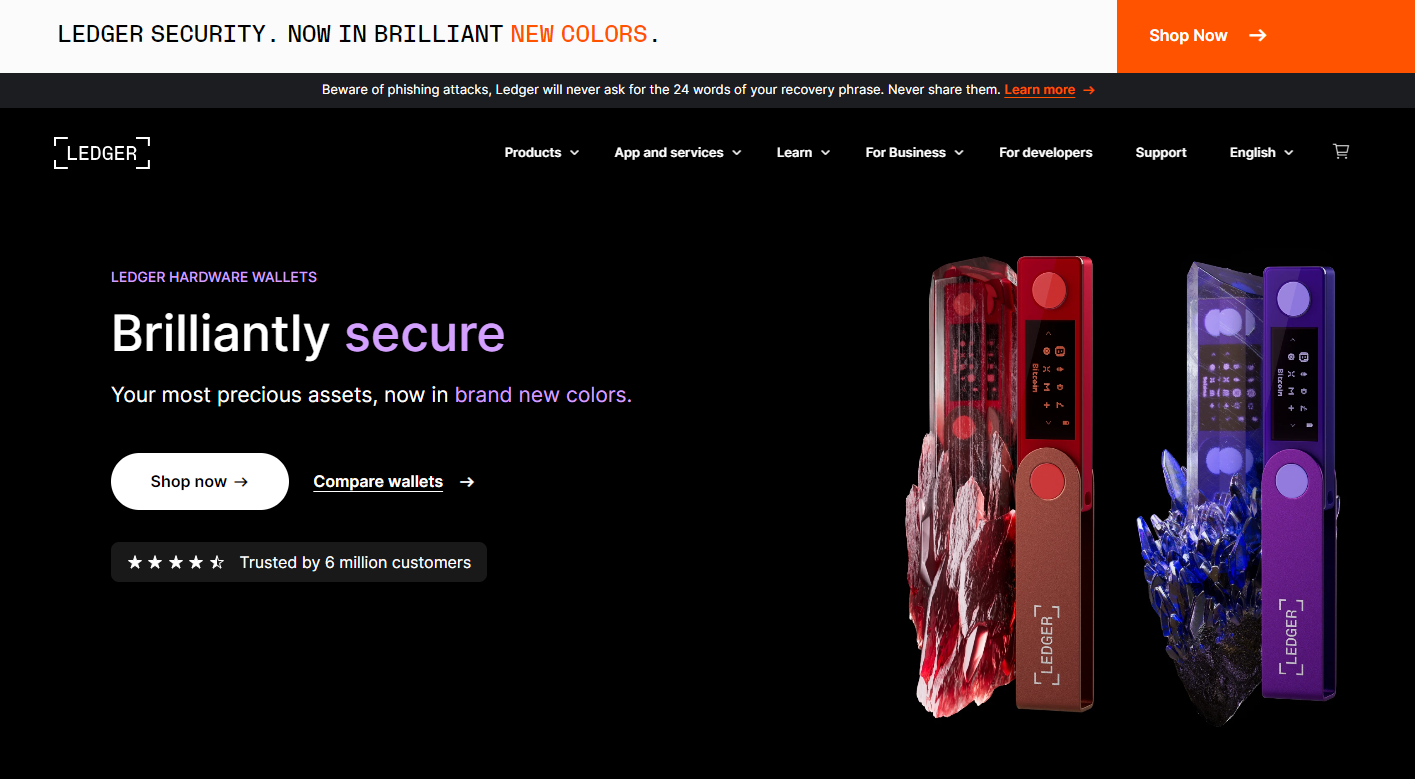
Ledger is a blockchain security company known for manufacturing hardware wallets that keep private keys offline. Its products are designed to protect users from hacking attempts, malware, phishing attacks, and unauthorized access.
Popular Ledger devices include:
These devices use a Secure Element chip, similar to those used in passports and banking cards, to safeguard cryptographic keys. Ledger wallets are non-custodial, meaning users retain full ownership and control of their assets at all times.
Unlike centralized exchanges or online wallets, Ledger does not require users to create an account with login credentials. There is:
This structure significantly reduces the risk of credential theft.
When users search for Ledger login, they are typically referring to:
In Ledger’s ecosystem, your device is your login.
To begin, connect your Ledger device to a supported device:
Once powered on, the device prompts you to enter your PIN:
If the PIN is entered incorrectly multiple times, the device automatically resets for security reasons.
After unlocking the device, launch Ledger Live, the official companion application. Ledger Live allows users to:
Ledger Live verifies the device’s authenticity before allowing access, ensuring only genuine Ledger products can connect.
Ledger Live does not store private keys. All sensitive actions require physical confirmation on the device itself. This means even if your computer or smartphone is compromised, attackers cannot access your funds.
Before any transaction is completed, users must:
This prevents hidden or manipulated transactions.
AspectLedger WalletOnline Wallet / ExchangeLogin methodHardware PINUsername & passwordKey storageOfflineOnlineRisk of phishingVery lowHighUser ownershipFull controlCustodialInternet dependencyMinimalRequired
Ledger’s approach offers superior protection by eliminating common online vulnerabilities.
If a user forgets their PIN:
Without the recovery phrase, assets cannot be recovered.
This issue may occur due to:
Solutions include:
For Ledger Nano X or Stax users:
Firmware updates often resolve connectivity issues.
The 24-word recovery phrase is the master backup for your wallet. It allows users to:
Ledger will never ask for your recovery phrase.
If anyone asks for your recovery phrase, it is a scam.
Ledger devices support mobile access through Bluetooth, offering flexibility without sacrificing security.
Private keys never leave the device, even on mobile platforms.
Ledger wallets do not require personal information to function. Users can create and manage wallets anonymously. However:
The wallet itself remains fully non-custodial.
Ledger continues to improve user experience and security through:
The future of crypto security is moving toward password-less, device-based access.
Ledger login is not a traditional login system—it is a secure, hardware-based authentication process designed to protect digital assets from modern threats. By removing passwords, central servers, and online key storage, Ledger gives users unmatched control and security.
Understanding how Ledger login works, protecting your recovery phrase, and staying alert to scams ensures a safe and reliable crypto experience. For anyone serious about long-term cryptocurrency storage, Ledger remains one of the most trusted solutions available.